
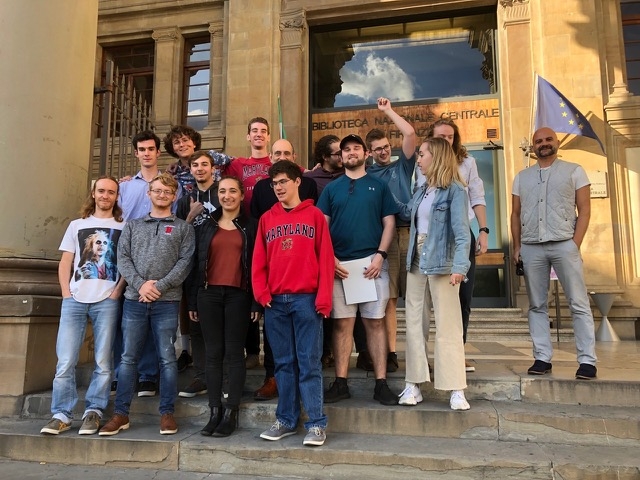
As part of the University of Maryland’s Education Abroad program, eligible students are welcome to apply for the the Physics in Florence semester, held at the International Studies Institute (ISI). Prof. Luis Orozco has been responsible for the program, which enrolled 12 students in the Fall of 2019. The curriculum includes three physics classes, an Italian language course, and an elective such as studio art, art history, history and political science, Italian language and literature, international business, and interdisciplinary studies in the humanities.
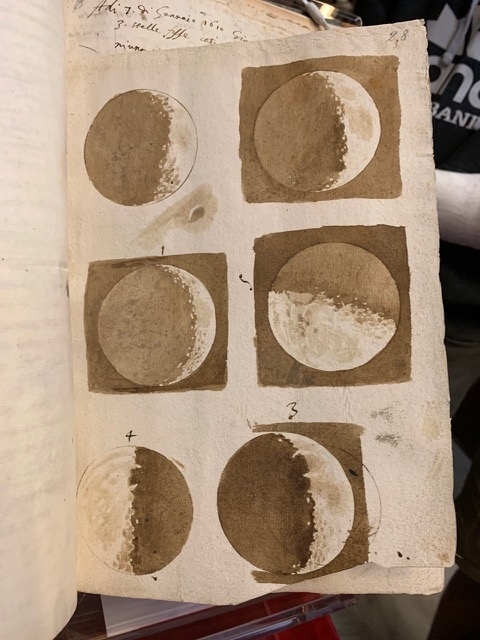
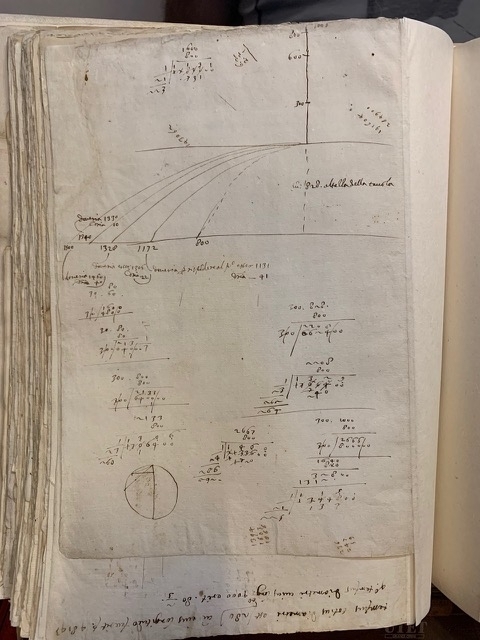
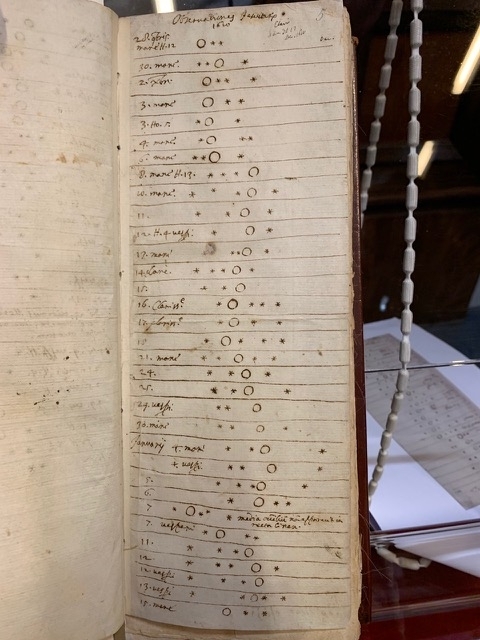
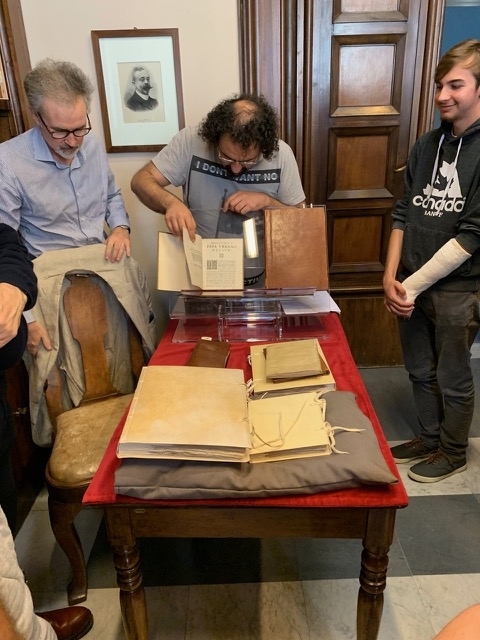
One of this fall’s highlights was a visit to the Biblioteca Nazionale, located near the ISI. Orozco and the students were able to see several of Galileo's original documents, including his log of experiments with inclined planes, his drawings of Jupiter's moons, and his watercolor of the moon's phases.
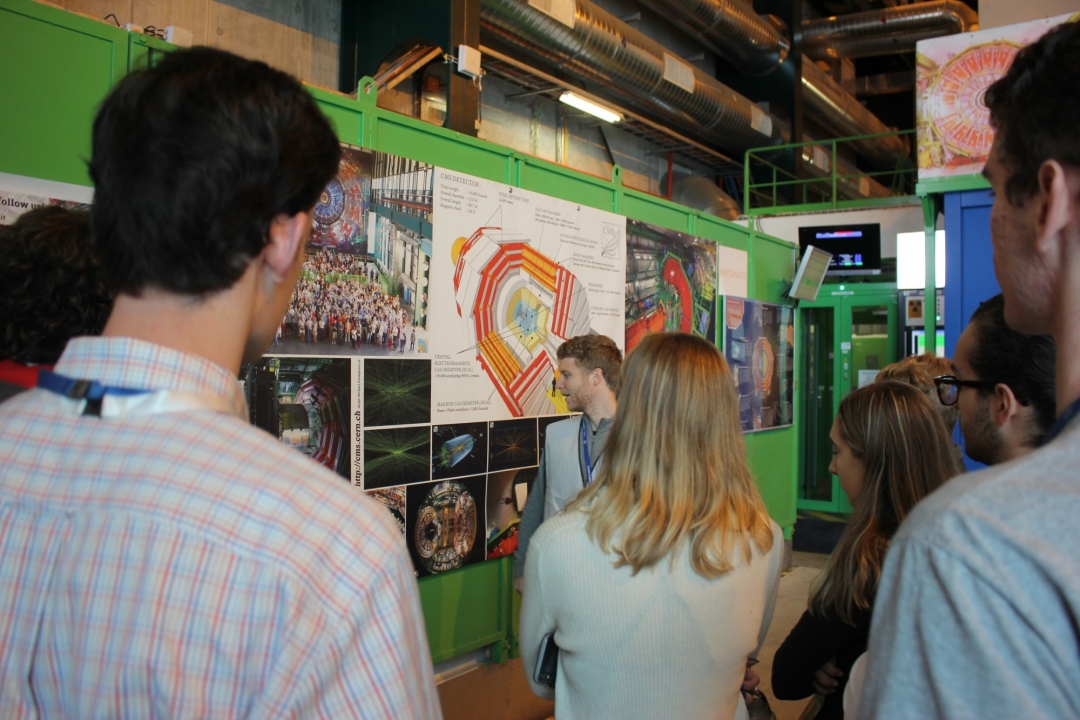
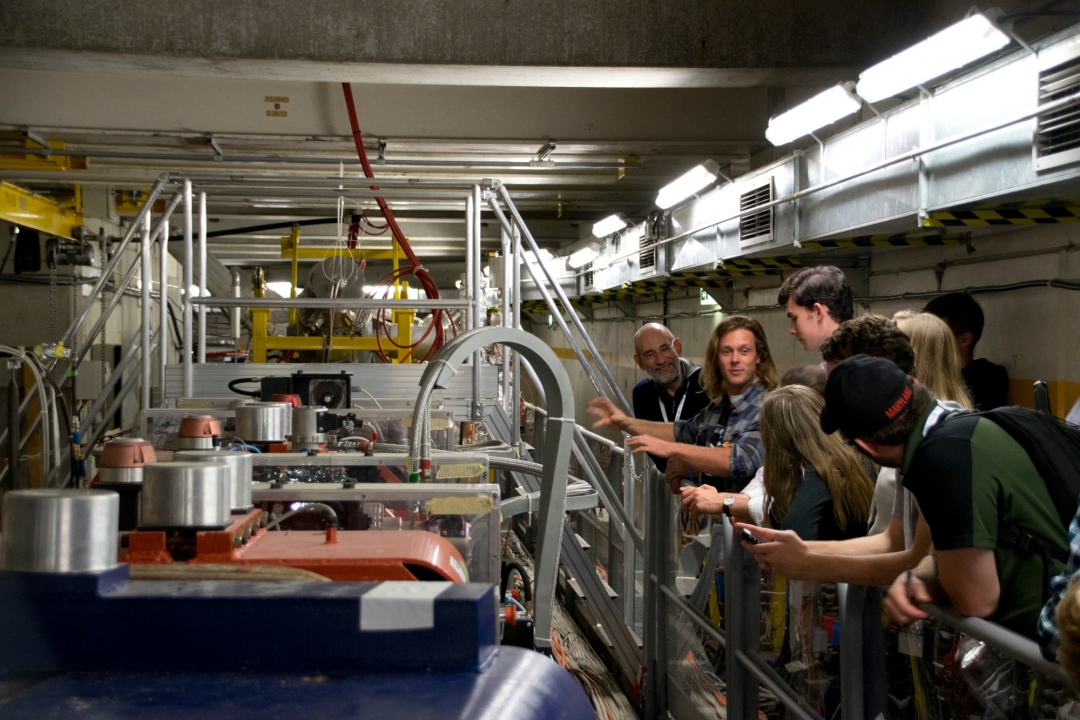
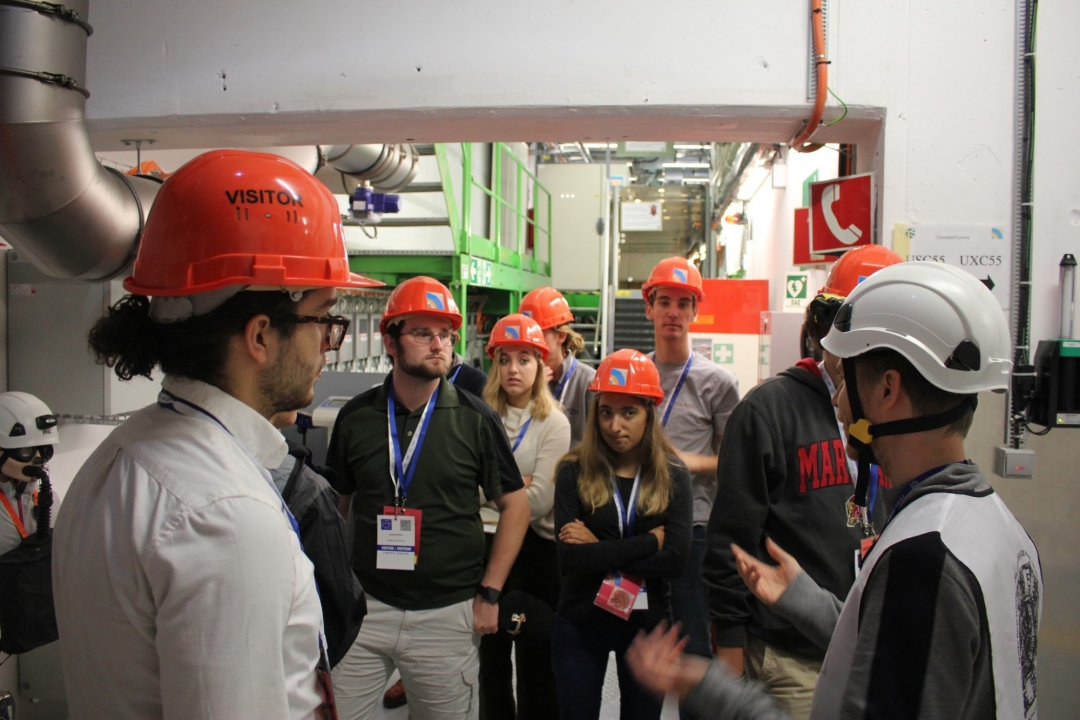
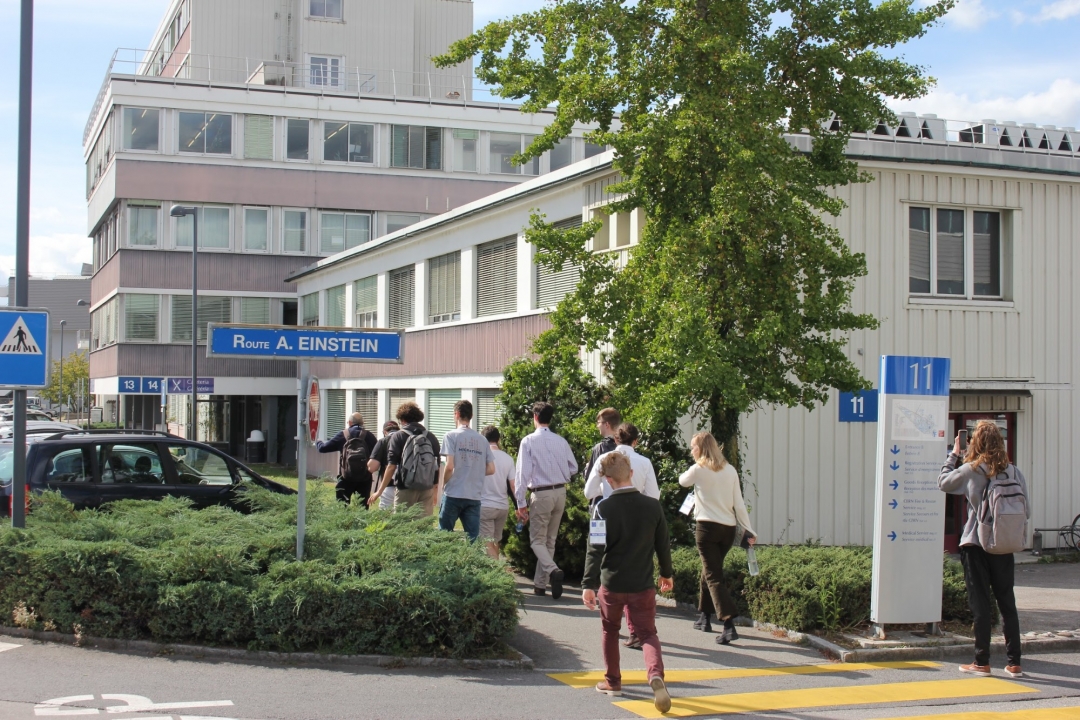
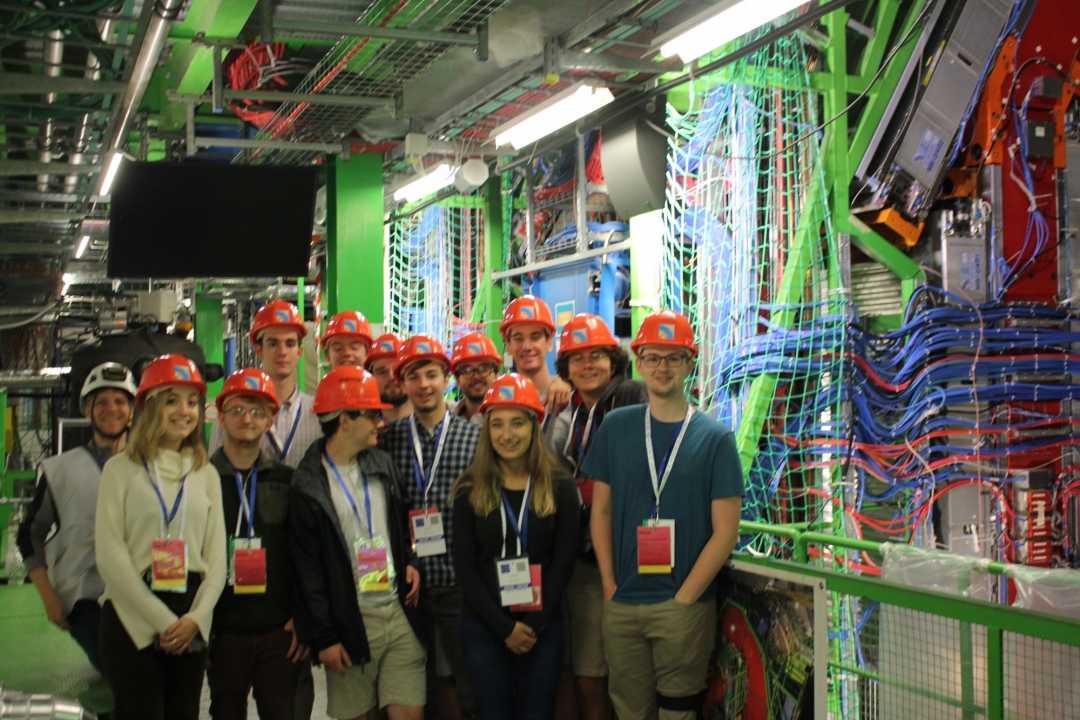
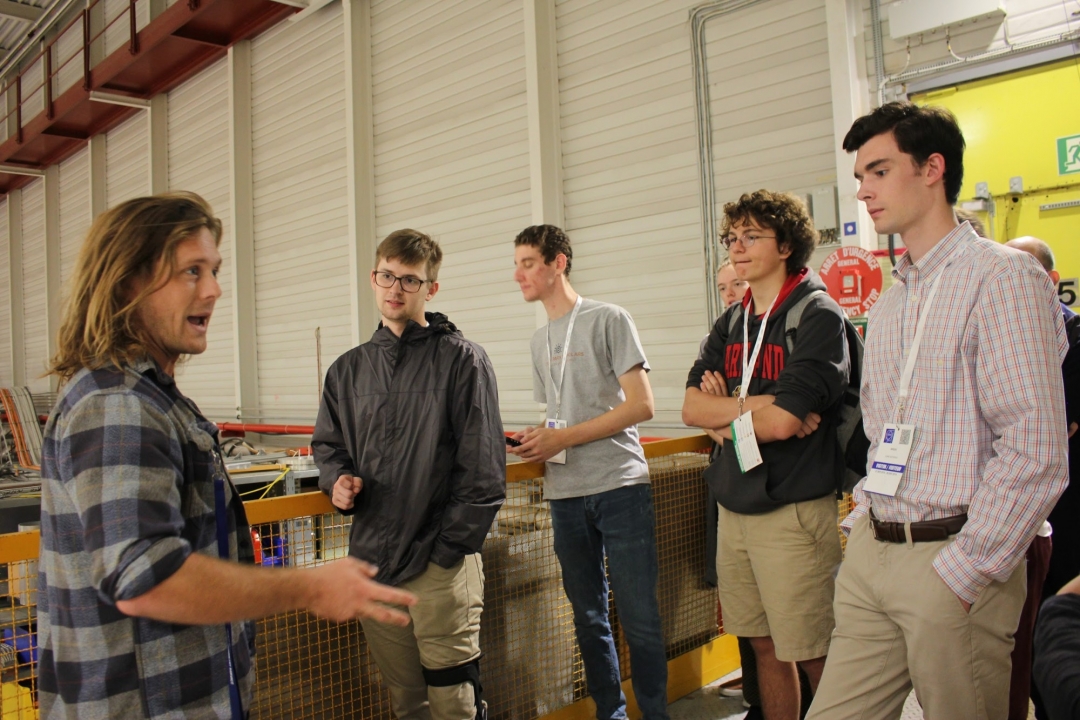
Another trip was to Geneva, where the students visited CERN. At the Compact Muon Solenoid (CMS) experiment, UMD postdoc Markus Seidel gave the students a tour of the detector, and graduate student Nathan Evetts of the University of British Columbia explained the workings of the Antiproton Ring.
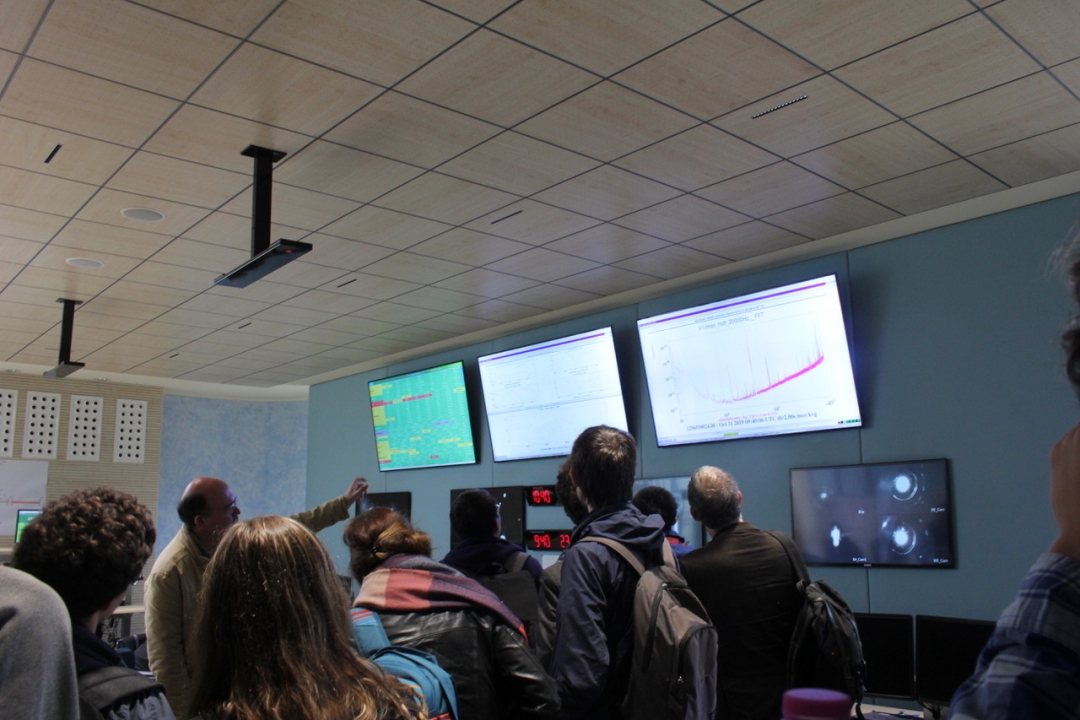
David Reitze, director of the U.S. gravitational observatory (LIGO), helped arrange a visit to the European Gravitational Observatory (EGO) near Pisa. Valerio Boschi hosted the students and explained the Virgo instrument and its interaction with the two LIGO interferometers in Louisiana and Washington state. After Boschi provided an extensive tour, EGO director Stavros Katsanevas met the students and discussed the current and future physics goals of EGO.
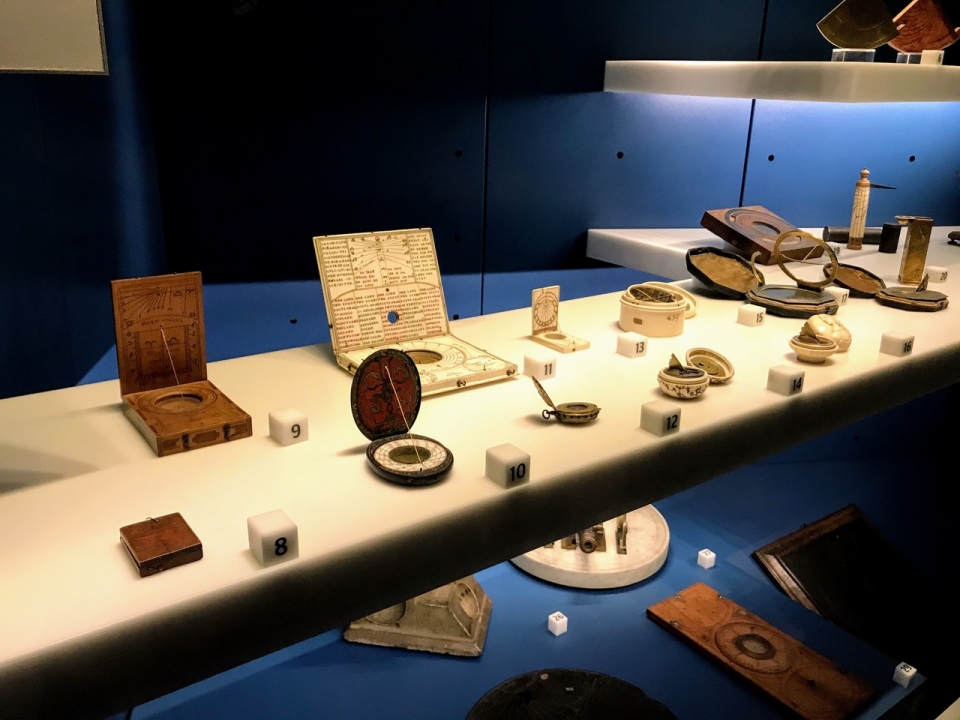
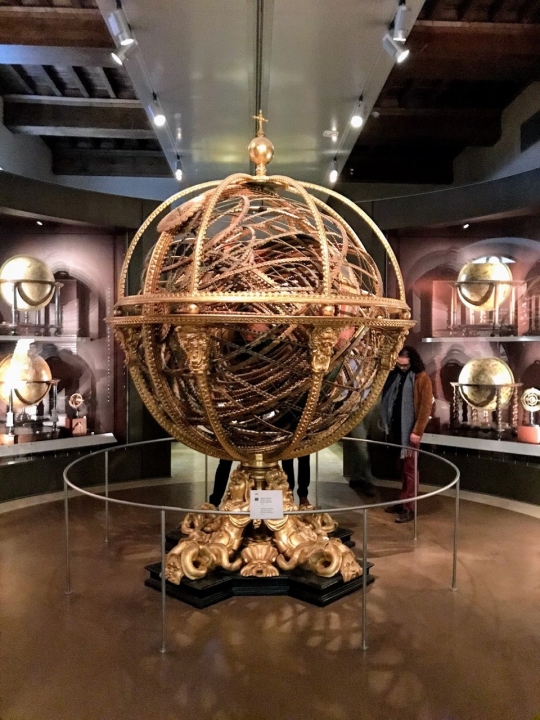
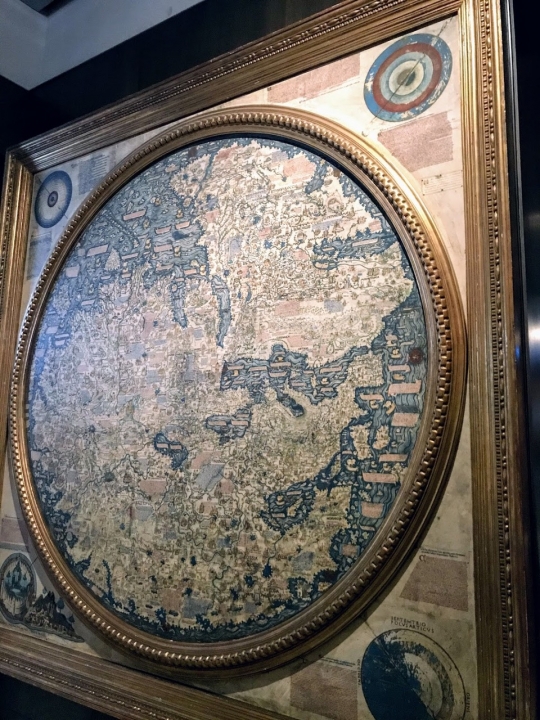
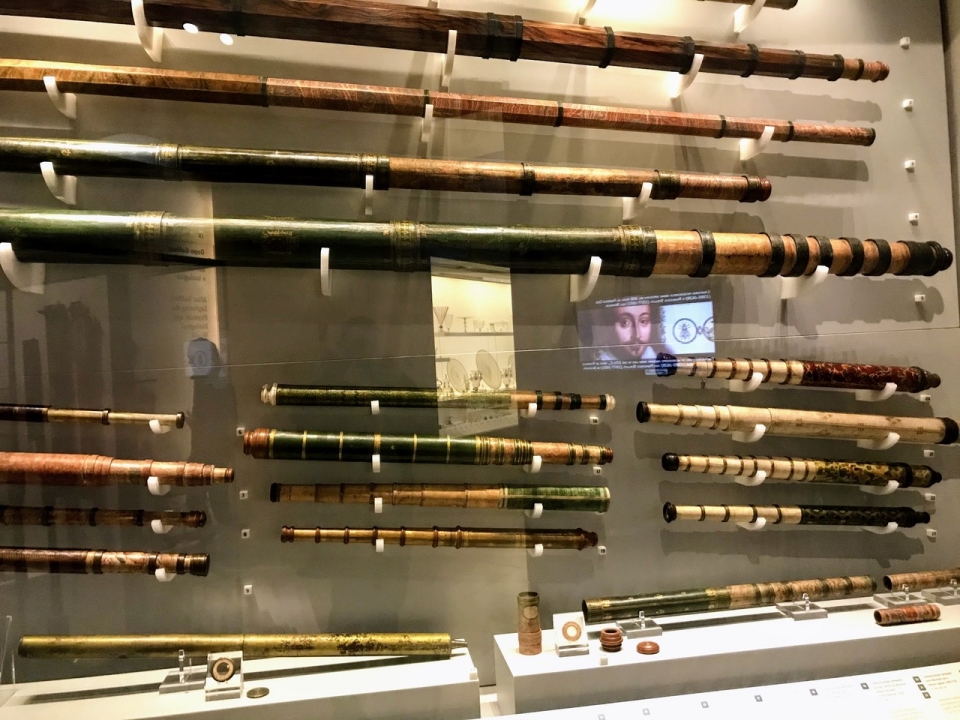
Near the end of the term, students visited the Galileo Museum, in the Palazzo Castellani near their ISI classes. The museum houses intriguing scientific instruments, including those of the Medici and the Grand Dukes of Tuscany. Examples include sextants, astrolabes, solar clocks, globes of various orientations, thermometers, telescopes, vacuum pumps and a Ptolemaic mechanical model showing the universe rotating around the earth. Maps from the 16th century show remarkable accuracy, particularly for the east coast of North America and both sides of South America. Explorers Amerigo Vespucci and Giovanni da Verrazano were both natives of Florence.
At the center of the museum, the Galileo room highlights his contributions to mechanics with a reproduction of one of the inclined plane machines that he used to measure the relationship between time and distance under acceleration. There are also good references to his astronomical observations, with one of the original lenses of his telescope in place.
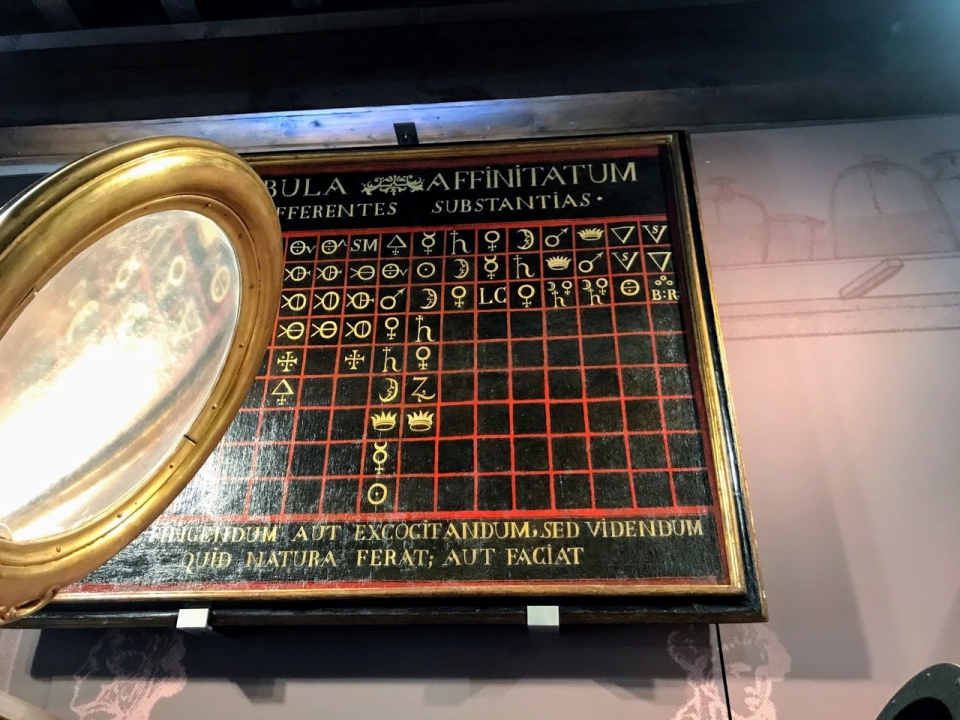
On a painted table of chemical affinities, the class spotted a symbol that looks like an h bar (ℏ, or Planck’s constant). Having learned about Planck’s constant in class, the students wondered about the symbol’s origin. Orozco found that it was originally a sickle, and that it had stood for lead in alchemy and for Saturn in astrology. Why had Planck called it h? Orozco found that it may reference Hilfsgröße, which is the concept of a “helpful quantity.” This helpful quantity has opened a new world of understanding, much as Galileo did when he found that the distance traveled in fixed time intervals on his inclined plane is proportional to odd numbers (1,3,5,7, etc.)—a classical and early lesson in physics.
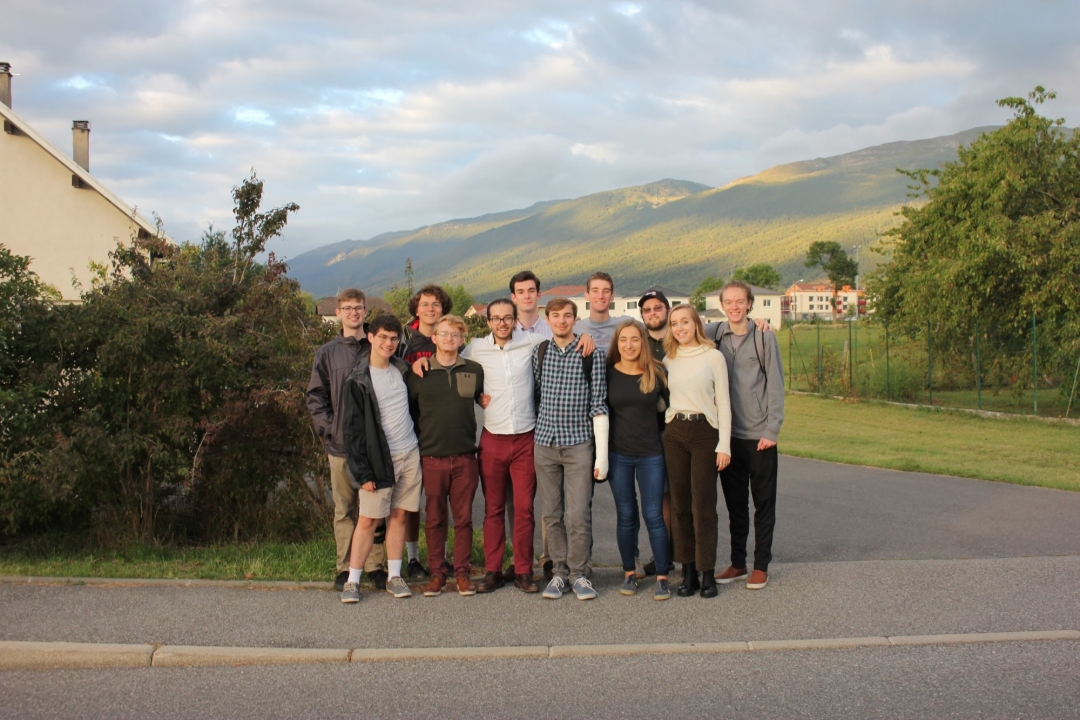
Trips to the Biblioteca Nazionale,CERN, EGO and the Galileo Museum are shown in these photos by Adam Dirccam, Anthony Giuffre, Stefano Baldassarri, Sean Markey and Cameron Moneypenny.
Galileo's watercolor of the moon's phases.
Galileo's log of experiments with inclined planes.
His drawings of Jupiter's moons.
Bibloteca Nazionale, Florence.
Galileo's manuscripts, Biblioteca Nazionale.
Markus Seidel with students at the CERN CMS experiment.
Nathan Evetts describes the cooling process at CMS.
Markus Seidel and students at CMS.
Lunch at CERN.
Cessy, France, at the Jura Mountains.
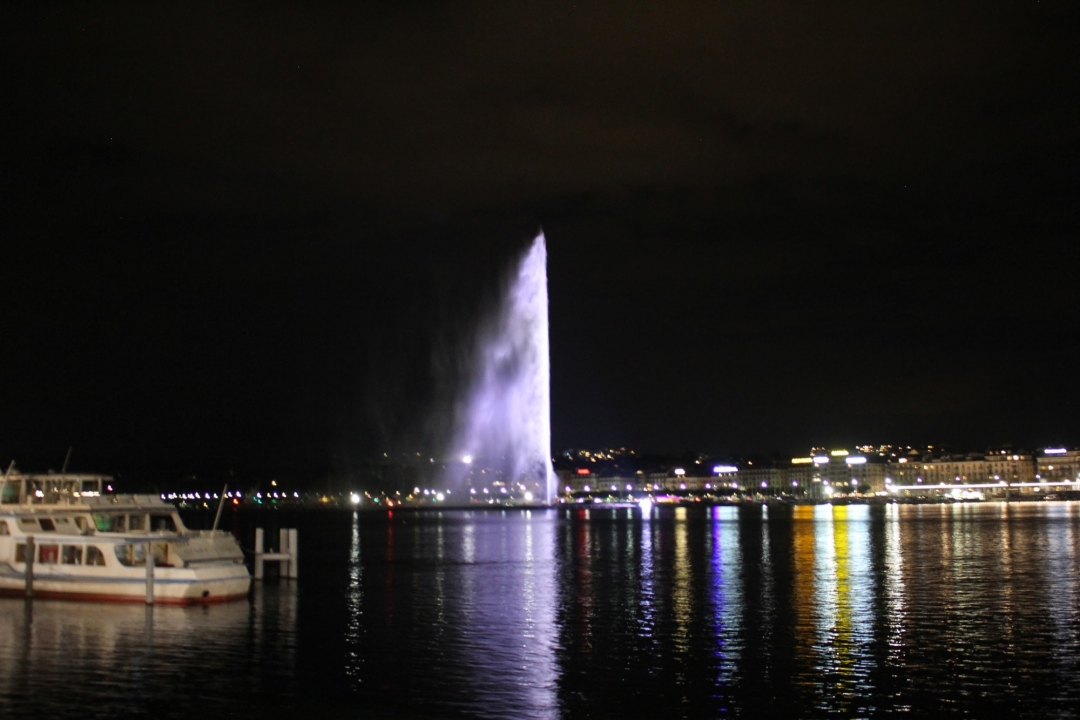
Water jet in Geneva.
With safety gear at CERN.
Nathan Evetts explains the Antiproton Decelerator.
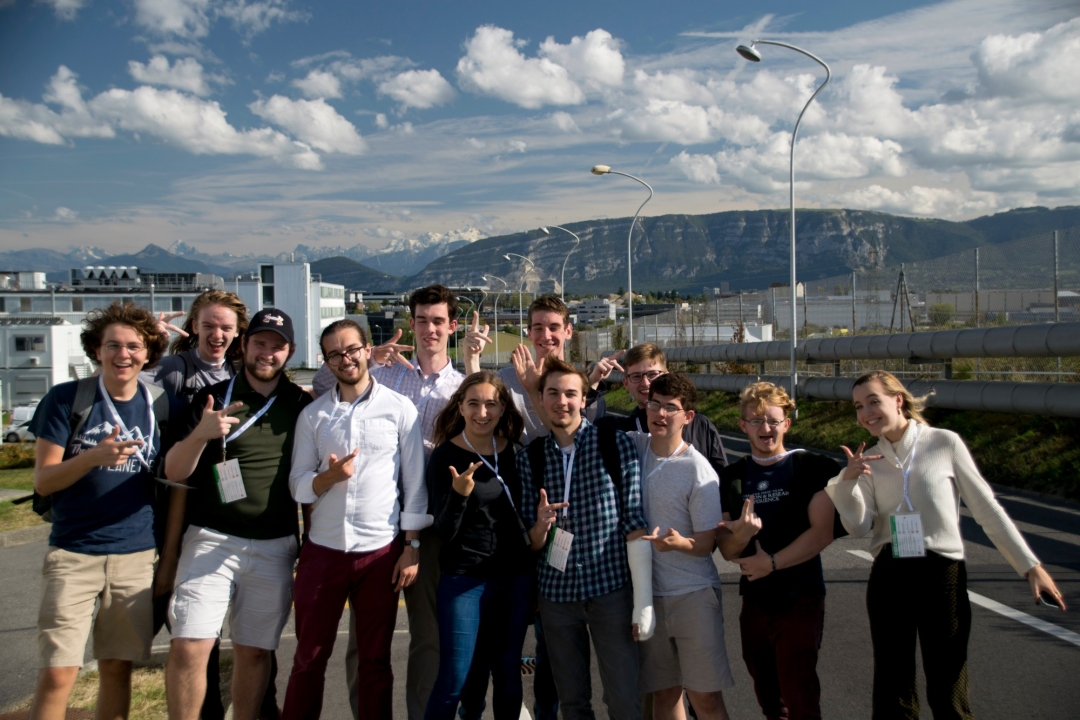
Outside the Proton Synchrotron, with Mont Blanc in the background.
In the EGO control room, Valerio Boschi points to monitors displaying the Virgo lock system, the instrument's mirrors, and the spectral density of the noise detected.
One of Virgo's 3km arms.
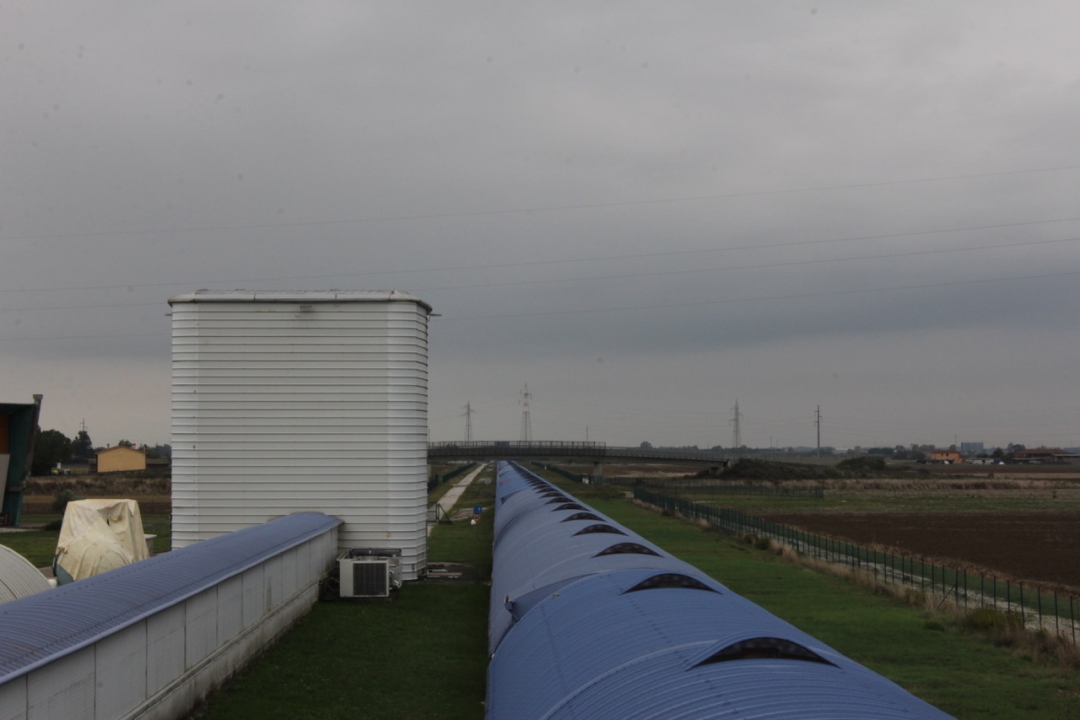
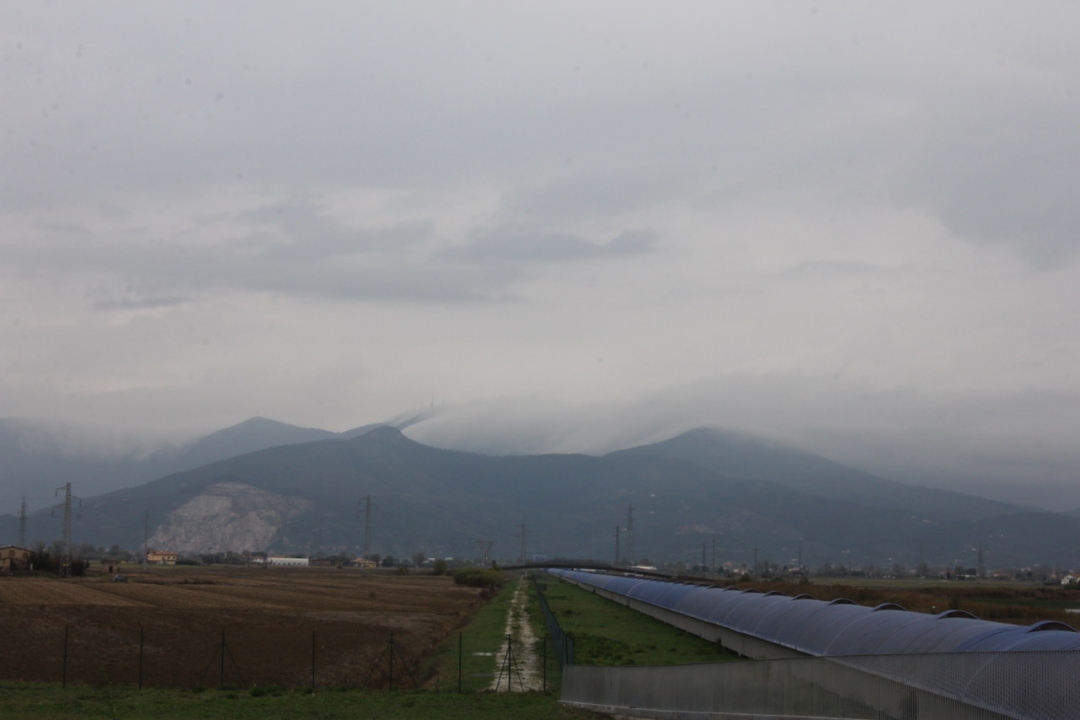
The other 3km arm.
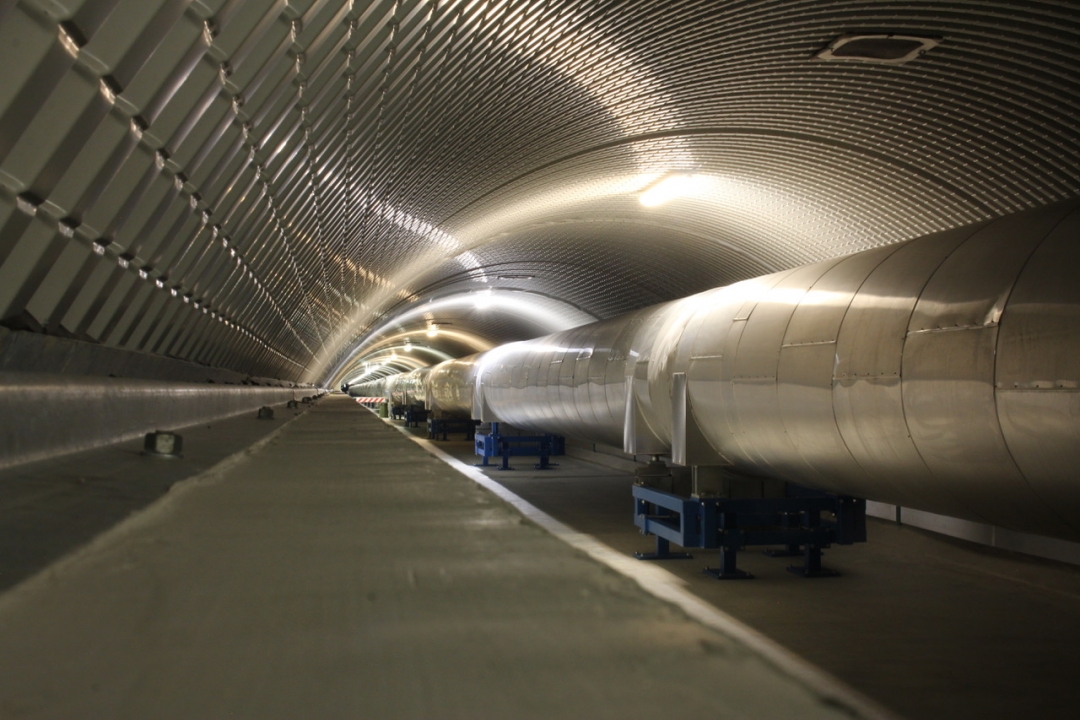
The inside of the 3km tunnel.
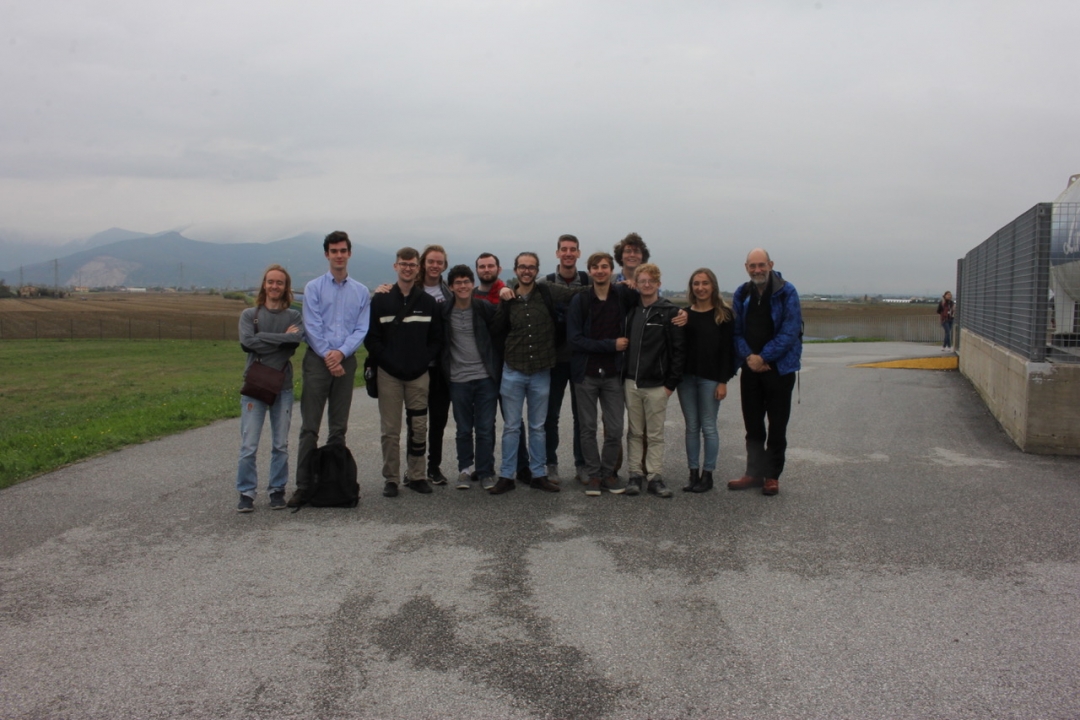
At the Virgo experiment.
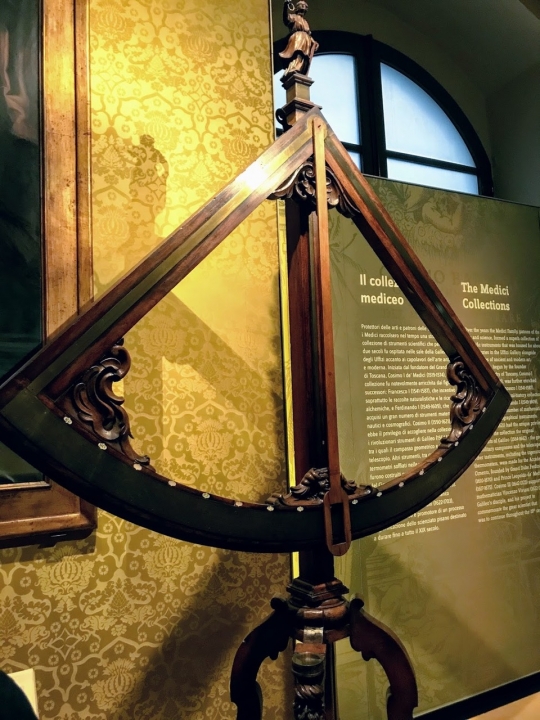
A sextant used for navigation, displayed at the Galileo Museum.
Solar clocks at the Galileo Museum.
Armillary sphere, showing the geocentric (Ptolemaic) model of the universe, with the earth at the center. Galileo Museum.
A map of the world from the early 15th century at the Galileo Museum.
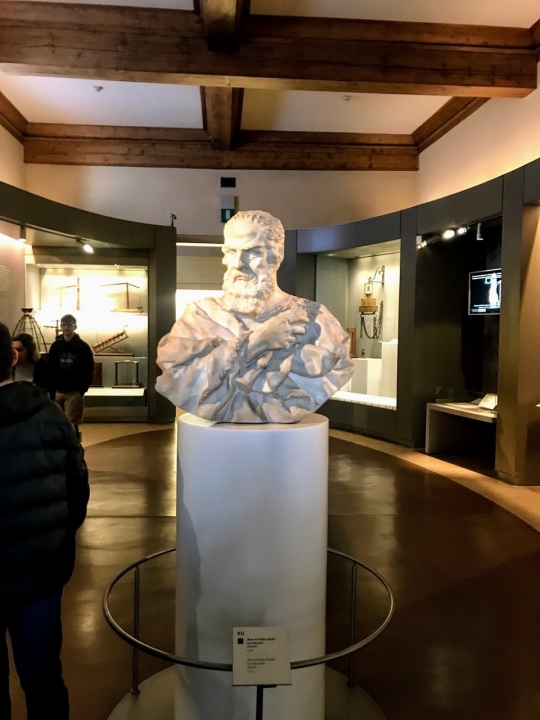
Bust of Galileo Galilei by Carlo Marcellini at the Galileo Museum.
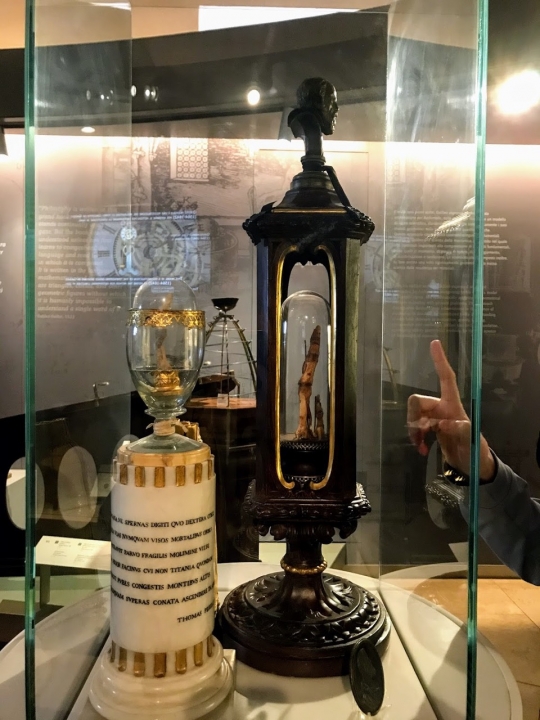
Relics of Galileo.
Refracting telescopes shown at the Galileo Museum.
Tabula affinitatum, showing the properties of various chemicals. Circa 1766.
Galileo's watercolor of the moon's phases.
Galileo's log of experiments with inclined planes.
His drawings of Jupiter's moons.
Bibloteca Nazionale, Florence.
Galileo's manuscripts, Biblioteca Nazionale.
Markus Seidel with students at the CERN CMS experiment.
Nathan Evetts describes the cooling process at CMS.
Markus Seidel and students at CMS.
Lunch at CERN.
Cessy, France, at the Jura Mountains.
Water jet in Geneva.
With safety gear at CERN.
Nathan Evetts explains the Antiproton Decelerator.
Outside the Proton Synchrotron, with Mont Blanc in the background.
In the EGO control room, Valerio Boschi points to monitors displaying the Virgo lock system, the instrument's mirrors, and the spectral density of the noise detected.
One of Virgo's 3km arms.
The other 3km arm.
The inside of the 3km tunnel.
At the Virgo experiment.
A sextant used for navigation, displayed at the Galileo Museum.
Solar clocks at the Galileo Museum.
Armillary sphere, showing the geocentric (Ptolemaic) model of the universe, with the earth at the center. Galileo Museum.
A map of the world from the early 15th century at the Galileo Museum.
Bust of Galileo Galilei by Carlo Marcellini at the Galileo Museum.
Relics of Galileo.
Refracting telescopes shown at the Galileo Museum.
Tabula affinitatum, showing the properties of various chemicals. Circa 1766.