

Conference for Quantum Undergraduate Research in Science & Engineering (QURiSE)
University of Maryland, College Park
October 23rd-25th, 2026
Home
The goals of the University of Maryland Physics Department's QURiSE Conference are centered on helping undergraduates meet the challenges of quantum career pathways, graduate school opportunities, and workforce readiness.
Undergraduates involved in quantum research from around the country are invited to attend QURiSE.
Participants will have the opportunity to present their research, learn from experts, and engage with industry professionals. The conference schedule includes dedicated time for students to form networks with peers, mentors, and potential employers in order to establish immediate job readiness and competitiveness for PhD programs.
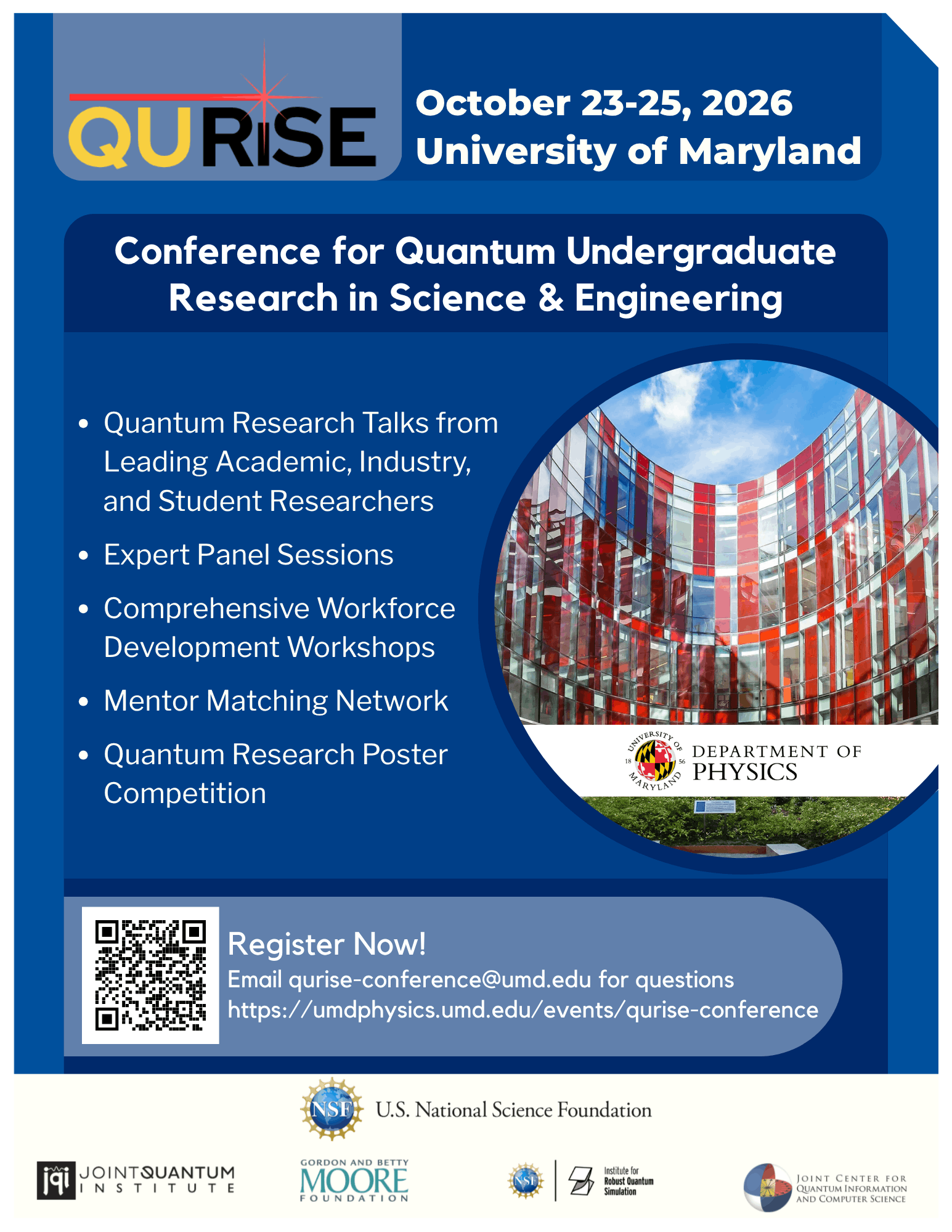
Meet Our Sponsors
Thank you to our sponsors for making this conference possible.



Registration
Registration
The 2026 University of Maryland QURiSE Conference was a huge success! Thank you to all the participants. We look forward to the next QURiSE.
Welcome to the Quantum Undergraduate Research in Science & Engineering (QURiSE) conference application. Please note that QURiSE provides meals and lodging. Participants are responsible for their own transportation to and from the conference. We look forward to receiving your application information.
QURISE Registration has closed. Apply again next year.
Speakers and Panelists
Speakers and Panelists
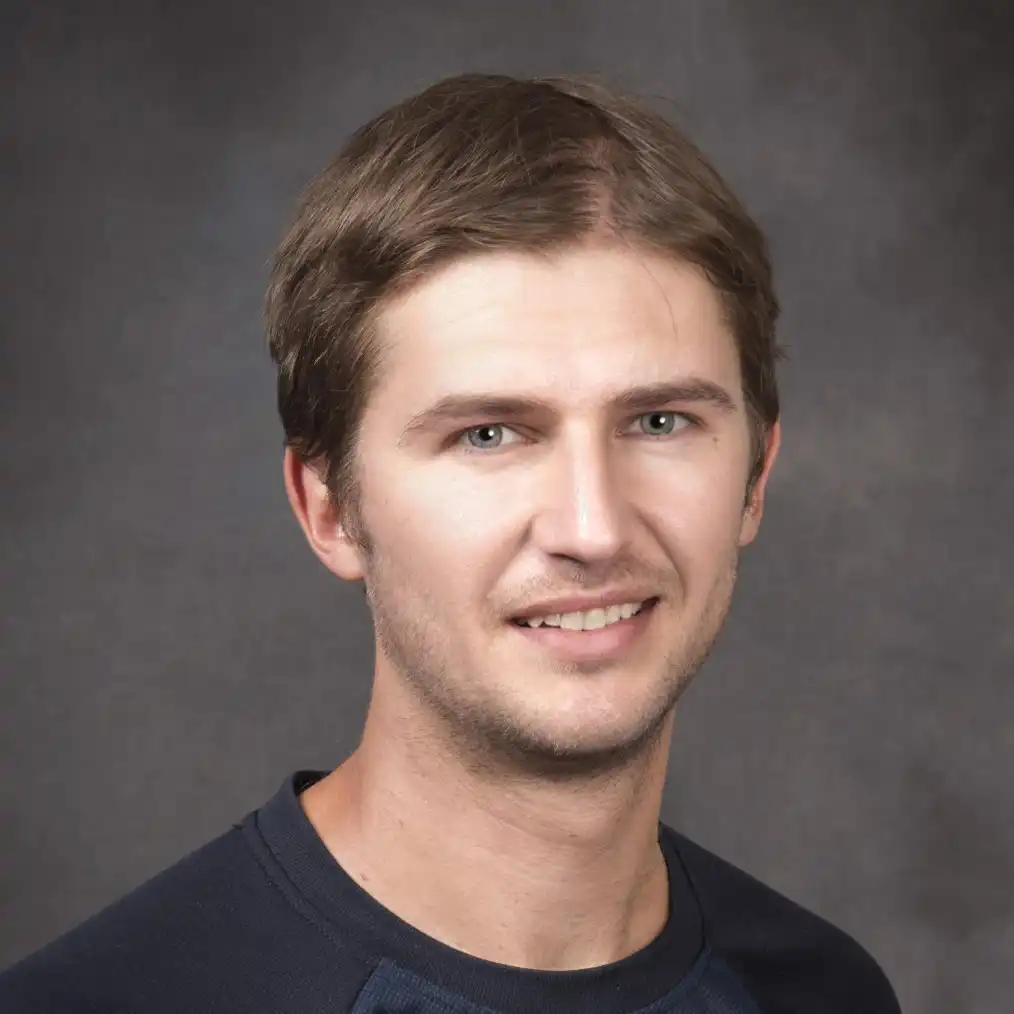 |
Victor Albert Assist. Professor, QuICS Fellow, UMD |
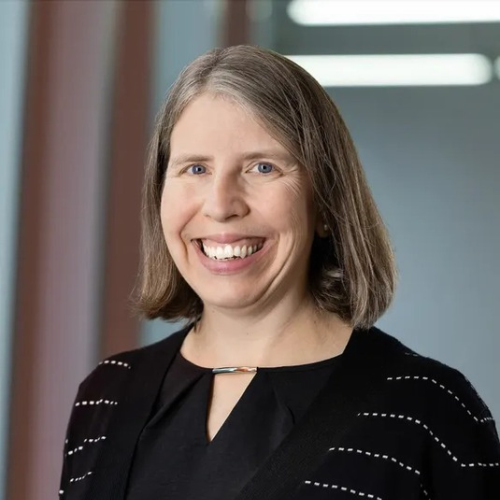 |
Gretchen Campbell Associate Vice President for Quantum Research & Education, UMD |
 |
Alexander Craddock Senior Scientist, Qunnect |
 |
Sophia Economou Director, Center for Quantum Information Science and Engineering, Virginia Tech |
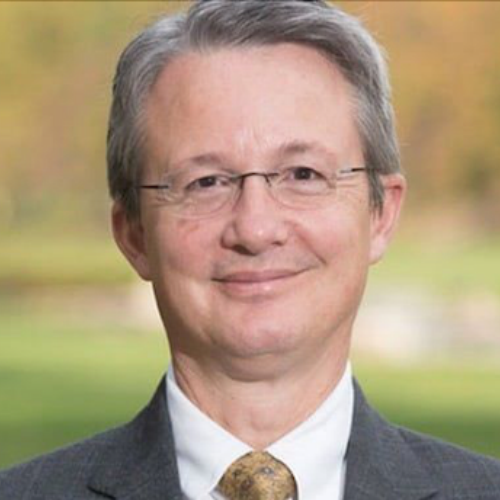 |
Steve Fetter Professor, Senior Fellow of the Center for International and Security Studies at Maryland (CISSM), University of Maryland |
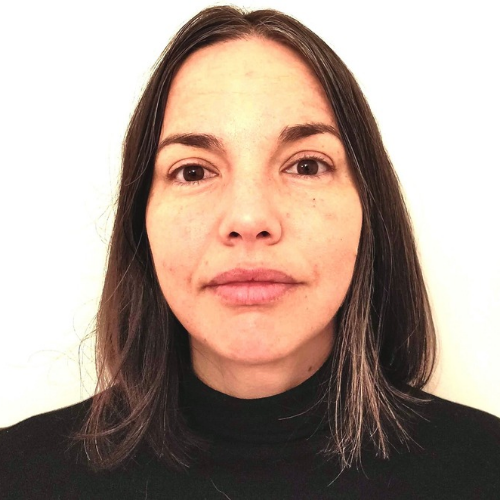 |
Claudia Fracchiolla Head of Public Engagement, American Physical Society |
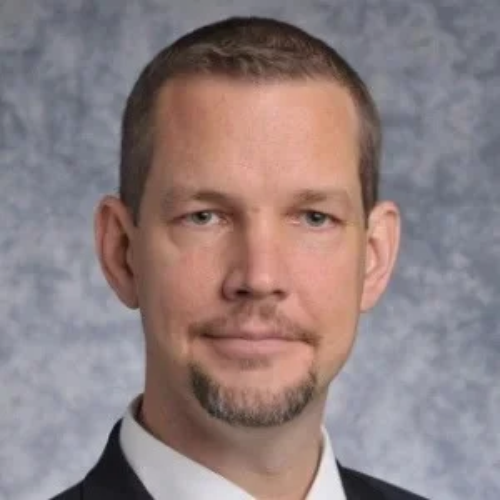 |
Robert Ivester Senior Advisor, Advanced Manufacturing, NIST |
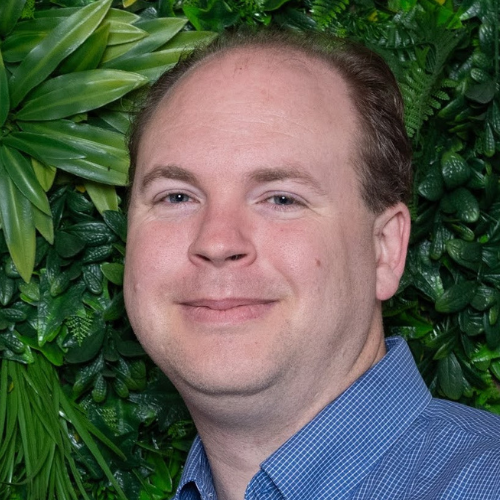 |
Aaron Lee Staff Physicist, Northrop Grumman |
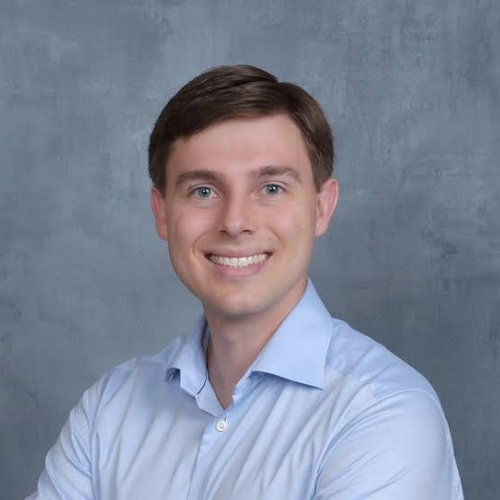 |
Chris Overstreet Assistant Professor, Johns Hopkins University |
 |
Steve Rolston Physics Professor, UMD |
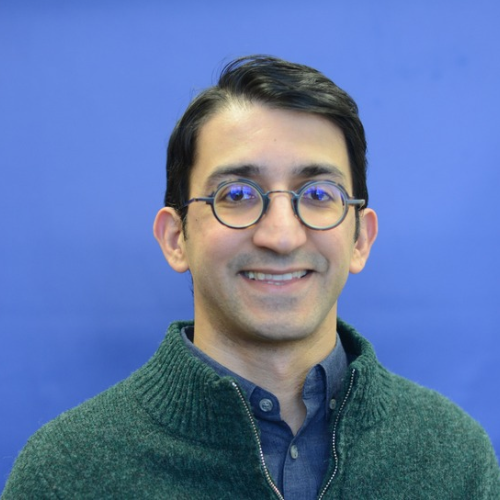 |
Kasra Sardashti Physics Professor, Executive Director of Quantum Collaborative Research Corps, UMD |
 |
Alireza Seif Research Scientist, IBM |
 |
Ron Walsworth Director, Quantum Technology Center, UMD |
 |
Ken Wright Director, System Integration and Performance, IonQ |
Schedule
Schedule
Friday, October 23rd
Friday begins at 5:30 pm with the Welcome Reception and Graduate Student Quantum Research Showcase followed by the Opening Dinner, Banquet Speaker, and Networking kickoff.
Saturday, October 24th
Saturday begins bright and early with breakfast, followed by research talks and the Quantum at UMD panel. Next, attendees will enjoy lunch while networking with mentors from academia and industry. The afternoon continues with lab tours, a workshop and an undergraduate research panel. In the evening, QURiSE continues with a quantum research poster competition accompanied by refreshments. The banquet dinner will follow with a guest speaker and undergraduate student research talks.
Sunday, October 25th
Sunday, QURiSE begins with breakfast, followed by a research talk and career speakers. An Industry Panel follows during which attendees will have the opportunity to meet and talk with panelists. Next, a networking lunch will enhance Saturday’s mentoring lunch experience. The afternoon continues with a workshop and graduate student panel, and the conclusion of the QURiSE conference at 3:00 pm.
Invited Student Talks
Invited Student Research Speakers
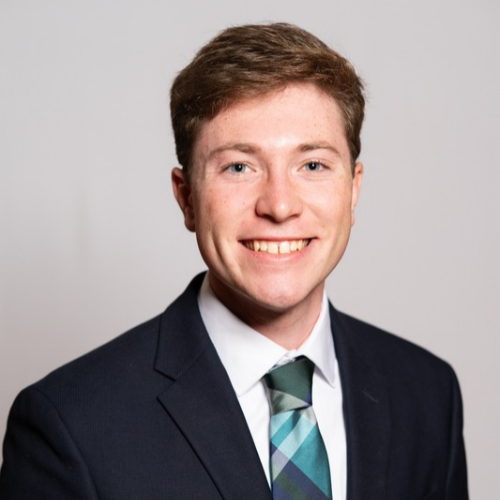 |
Christian Ganter, Princeton University Temperature-Resistant Josephson Junction Fabrication With SiN Stencils For Superconducting Qubits Josephson junctions are key components of transmon qubits and, due to fabrication constraints, are nearly always made with aluminum despite significant TLS losses in its amorphous oxide. This project thus explores deposition with silicon nitride hard masks, which tolerate higher deposition temperatures than commonly used organic resists, potentially enabling junction fabrication with less lossy materials. This talk covers the fabrication of these masks, handling considerations for the fragile membranes, and results from a first set of test depositions. |
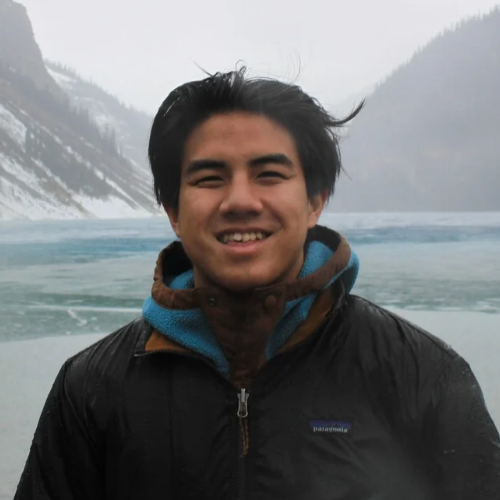 |
Colin La, California Institute of Technology Twisted CSS codes Despite recent progress in constructing quantum low-density parity-check (qLDPC) codes with good code parameters, fault-tolerant logical gate implementation remains a challenge. Twisted CSS codes, which decorate (X)-stabilizers with diagonal phases, provide a way to enable transversal non-Clifford gates, potentially even in lower-dimensional geometries. We develop an algebraic framework for understanding these codes and how transversal non-Clifford gates arise, which may ultimately lead to novel code constructions. |
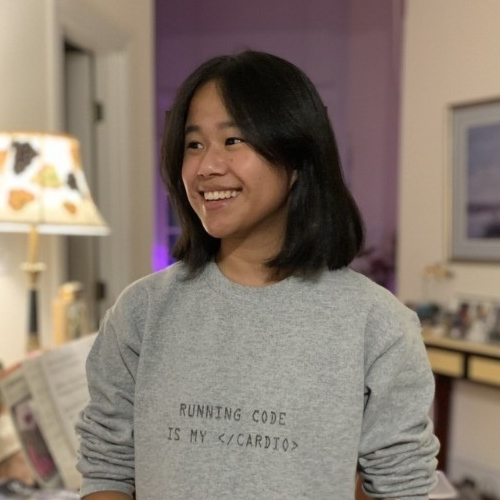 |
Melody Lee, Georgia Institute of Technology Investigating Localization Using Wavepacket Dynamics On Quantum Computers While the dynamics of single particles are simulatable on classical computers, these simulations become exponentially complex when scaled to include many interacting particles, whereas the nature of quantum computers makes them ideal for tackling such problems. However, current simulation methods of particle dispersion as a function of energy are limited. In this talk, we introduce a novel approach to identifying mobility edges using digital quantum computers by probing localization as a function of energy via the time-evolution of wavepackets. |
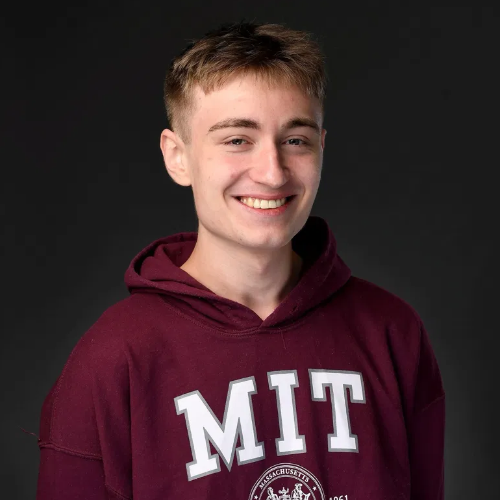 |
Peter Mukovskiy, Massachusetts Institute of Technology Single Photon Detection with a Transmon Qubit |
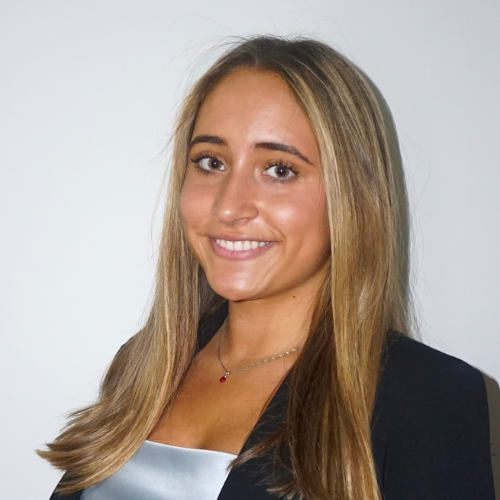 |
Samantha Otazo, University of Maryland Large Mangetoresistance and dHvA oscillations in single crystals of PtAIx Materials with heavy elements provide a platform for studying the interplay between electronic topology and spin-orbit coupling. I will present a study of high quality single crystals of the chiral non-centrosymmetric compound PtAlx, reporting on electrical resistivity, Hall effect and magnetization measurements that indicate a rich behavior in this 5d element system. We observe a non-saturating magnetoresistance of 2100% as well as de Haas–van Alphen oscillations, providing direct experimental insight into the Fermi topology and allowing comparison to DFT calculations. |
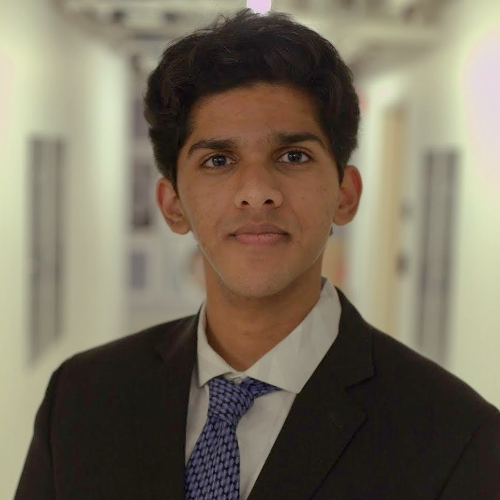 |
Aatmaj Rajesh, The Ohio State University Phases of a Transverse Field Ising Model on a Dual-Species Array Neutral atom quantum computers have emerged as a powerful platform for simulating and probing fundamental physics. In this talk, I will describe the phases and transitions of a dual-species transverse-field Ising model, which may be realized on a dual-isotope rubidium array. Combining exact diagonalization, mean-field analysis, and perturbation theory, we identify several experimentally accessible features, including magnetic order tunable by unequal sublattice transverse fields, fluctuation-induced reentrant ferromagnetism reminiscent of order-by-disorder, and an effective sublattice Hamiltonian mediated by inter-isotope interactions with a field-tunable Ising endpoint. |
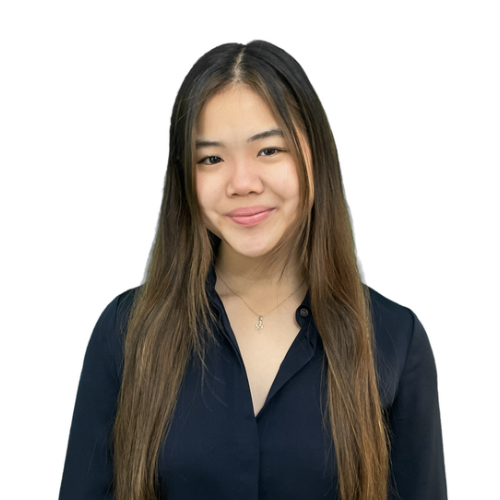 |
Vanessa Zhang, University of Illinois, Urbana-Champaign Quantum Position Verification: How Quantum Mechanics Can Securely Confirm Someone's Location It is of significant interest to be able to verify an untrusted party’s location against remote attackers, also known as position verification. Only quantum position verification (QPV) schemes can be cryptographically secure, and researchers are beginning to experimentally implement proof-of-theory QPV protocols. My talk details the foundations of QPV theory, the particular f-measure protocol my group is implementing, and the equipment we are building to implement it. |
Invited Student Research Panelists
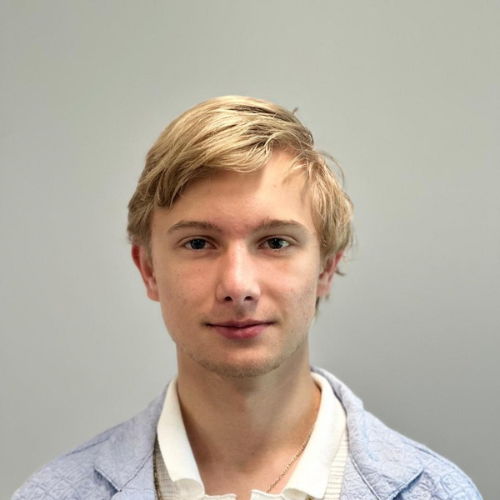 |
Arkhip Dmitriev, University of Maryland Arkhip A. Dmitriev is a junior at the University of Maryland, College Park, pursuing a B.S. in Computer Science and a B.S. in Physics. He is the developer of ArchytasZX, an open source ZX-calculus engine that uses symbolic algebra to represent and manipulate qudit systems with symbolic dimension and size. He is also an undergraduate researcher in the FloQuET Lab under Prof. Avik Dutt, where he studies error estimation for quantum-embedding simulations of strongly correlated molecules. |
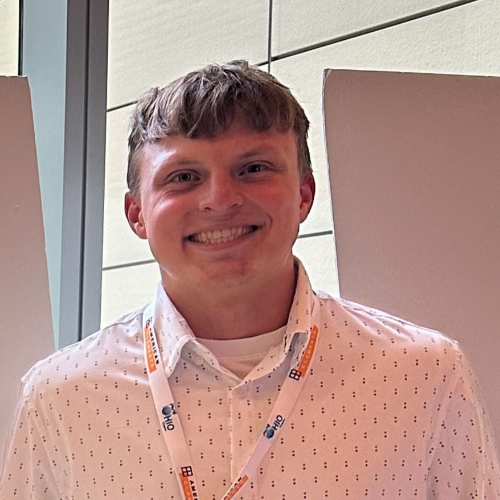 |
Grant Palte, The Ohio State University Grant Palte is an undergraduate physics major and computer and information science minor at The Ohio State University, expected to graduate in May 2027. Since May 2024, he has worked as an undergraduate research assistant in Dr. Jay Gupta's condensed matter physics lab, an appointment that began with the Captain Forrest R. Biard Undergraduate Research Scholarship in Physics. He has developed non-destructive cryogenic methods for gas intercalation in layered materials including HOPG and h-BN, and is a named coauthor on the talk presenting an Ohio Quantum Consortium Award project through CQISE, extending this method from HOPG to bulk h-BN crystals. He also serves on the executive board of The Quantum Club at Ohio State. |
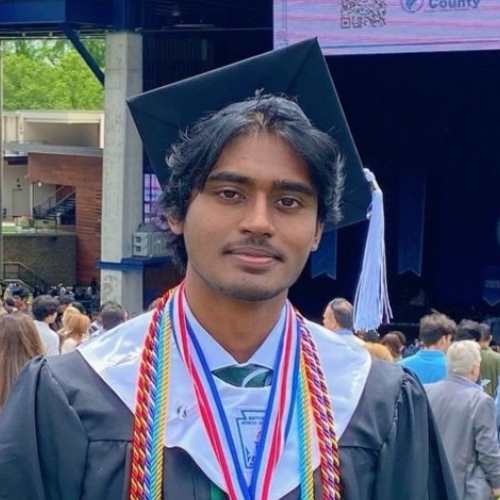 |
Sai Minna, University of Maryland Sai is the Vice President of the UMD UQA, with an ambition to enrich quantum opportunities for students nationwide. He is currently researching quantum phonon sensors for sub-GeV dark matter interactions and quantum nanostructures to elevate superconducting critical temperatures. |
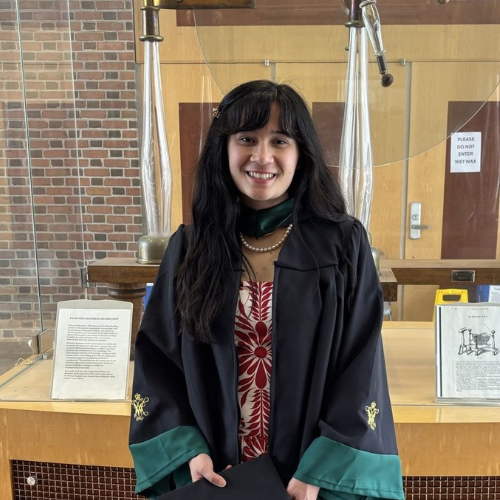 |
Kalea Wen, University of Maryland Kalea Wen is currently a PhD student and NSF graduate research fellow at the University of Maryland pursuing experimental AMO research. She completed the presented work during her undergraduate honor's thesis at the College of William and Mary. This project is still ongoing, so please feel free to reach out with questions or interest! |
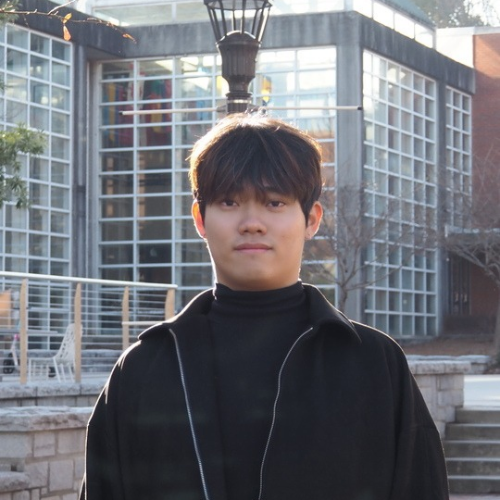 |
Chanyeong Seo, Georgia Institute of Technology Chanyeong completed an international baccalaureate (IB) program in Budapest, Hungary, and moved to the US to attend Georgia Institute of Technology. His quantum research spans error correction, quantum materials, and photonic devices for trapped ions. At KAIST, Chanyeong worked with Prof. Jeongseok Ha’s group on quantum error correction circuits; at Emory, he worked with Prof. Yao Wang’s group on computational methods for probing spin dynamics. At Georgia Tech, he worked with Prof. Zhigang Jiang on gate-defined semiconductor nanowires and a numerical framework for topological superconductivity. In Prof. Jonathan Home’s group at ETH Zürich, Chanyeong studied a neutral atom trap relying on optical pumping and tested a photonic chip. He now works with Prof. Karan Mehta at Cornell, measuring and modeling light from on-chip grating couplers to improve polarization purity for trapped-ion cooling, while investigating RF-induced magnetic fields and alternative ion-trap chip designs. |
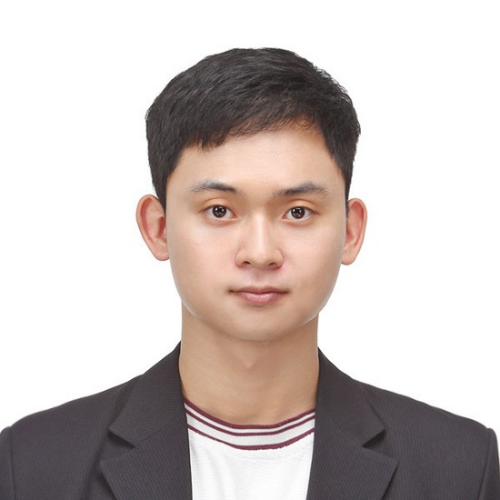 |
Yoonsu Kang, Cornell University Yoonsu Kang is an undergraduate double majoring in mathematics and physics at Cornell University. He conducts research in Brad Ramshaw’s group, with interests in condensed matter physics, superconductivity, and two-dimensional quantum materials. |
Organizers
Conference Organizers
|
Steve Rolston Physics Professor, UMD |
|
Gretchen Campbell Associate Vice President for Quantum Research & Education, UMD |
 |
Donna Hammer Physics Director of Education, UMD |
 |
Angel Torres Physics Graduate Program Coordinator, UMD |
 |
Devon Freeman Academic Program Specialist, UMD |
 |
Stephanie Williams Senior Academic Advisor, UMD |
 |
Sarah Monk Membership Recruitment & Retention Manager, APS |
 |
Marissa McMaster Graduate Student, UMD |
 |
Rafael Romero Mendez Graduate Student, UMD |
 |
Yash Anand Graduate Student, MIT |
|
Samantha Otazo Quantum Undergraduate Researcher, Co-President of the Physics Undergraduate Student Committee, UMD |
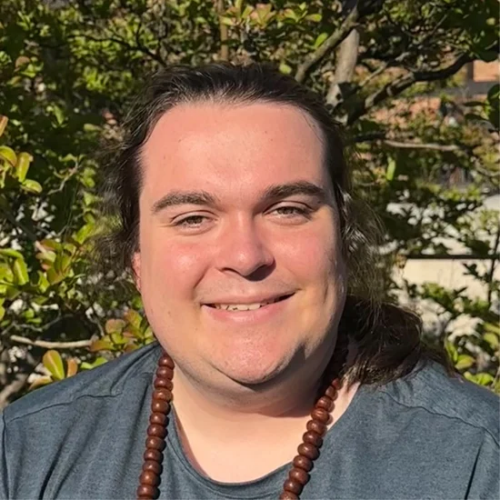 |
Isaac Sherwood Quantum Undergraduate Researcher, President of the Society of Physics Students, UMD |
Mentors
The goals of the University of Maryland Physics Department's QURiSE Conference are centered on helping undergraduates meet the challenges of quantum career pathways, graduate school opportunities, and workforce readiness.
For many students, the transition from the classroom to industry or a PhD program can appear to be a massive leap. We have found that a significant way to bridge that gap is through genuine mentorship.
Lunch with an Expert provides conference participants with a focused mentoring experience to enhance their education and future job expectations. Research continues to support the need for mentorship guidance to provide both a sounding board for growing new ideas and a safety net when things get complicated and confusing. Having someone to look up to and trust provides guidance, motivation, and a clear example of how to navigate life’s challenges.
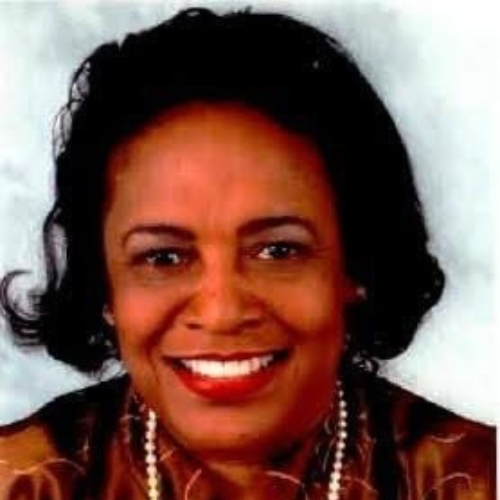 |
Arlene Maclin, PhD President & CEO, MacSmith STEM Enterprises Arlene Maclin is a physicist with extensive experience in developing STEM programs for women and minorities over the past 40 years. Arlene is internationally recognized and a Historymaker (www.theHistorymakers.org) for her work in education and STEM. She is a fellow of APS and a member of NSBP, IEEE, and MSE, and has volunteered on committees for numerous professional organizations. |
 |
Maya Amouzegar Senior Quantum Physicist, Johns Hopkins Applied Physics Laboratory Dr. Maya Amouzegar is a quantum physicist at the Johns Hopkins Applied Physics Laboratory, specializing in superconducting quantum systems and quantum information science. She earned her PhD from the University of Maryland, College Park, and her research expertise spans quantum device design, modeling, fabrication, microwave control and measurement, and exotic light-matter interactions. |
 |
M Haque Technical Program Manager, Insight Global; Semiconductor Division. M Haque is a Technical Program Manager who has been working in the Semiconductor division since 2019 and in Technical Project Management since 2016 for clients such as GlobalFoundries, Intel, Samsung, ASML, TSMC, and more. Her experience includes Technical Project / Program Management, EUV Installation, DUV Design / Layout, Fab Development / Safety, as well as certifications in PMP and OSHA 30. |
 |
Ethan Levy Graduate Student, University of Illinois Urbana-Champaign Ethan Levy works on developing new single- and entangled-photon sources for quantum optics. His group is particularly interested in quantum networking applications. |
 |
Sergey Novikov (he/him) Senior Research Scientist, Google Quantum AI Sergey Novikov is a Senior Research Scientist at Google Quantum AI focusing on the design of quantum and classical superconducting electronics. Previously, Sergey served as Head of Circuit Design at Atlantic Quantum and Senior Principal Physicist at Northrop Grumman, after receiving a PhD in Physics from the University of Maryland. |
 |
Jner Tzern (JJ) Oon Quantum Scientist, Quantum Catalyzer, LLC JJ Oon is a PhD quantum scientist at a quantum sensing startup based in College Park, with 9 years of research experience across quantum sensing experiment, simulation, theory, and reinforcement learning. Ghostwriter for deep tech founders. |
 |
Rezlind Bushati CEO, Phaseshift Rezlind is a physicist with over 10 years of experience in quantum computing and integrated photonics. He currently serves as the CEO and co-founder of Phaseshift, a nano-photonics company based in College Park, MD, that works on optics miniaturization for emerging quantum technologies. Prior to founding Phaseshift, he served as a Senior R&D Scientist at Quantinuum. |
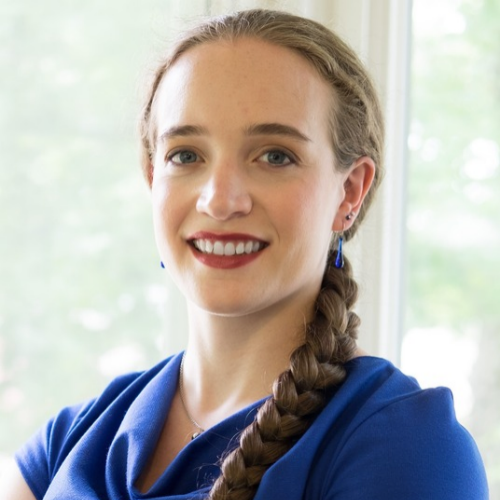 |
Caroline Figgatt, (she/her) Senior Advanced Physicist, Quantinuum Caroline Figgatt is a Senior Advanced Atomic Physicist working to develop ion trap quantum computers at Quantinuum. After earning B.S.’s in physics and mathematics with computer science from MIT, she went on to complete her PhD in physics at the University of Maryland with advisor Chris Monroe, where she built a programmable ion trap quantum computer and demonstrated a variety of quantum algorithms on it. During her time as a doctoral student, she served as treasurer and then president of Women in Physics at UMD. She currently has 24 publications in the field of quantum computing performed with ion trap systems. |
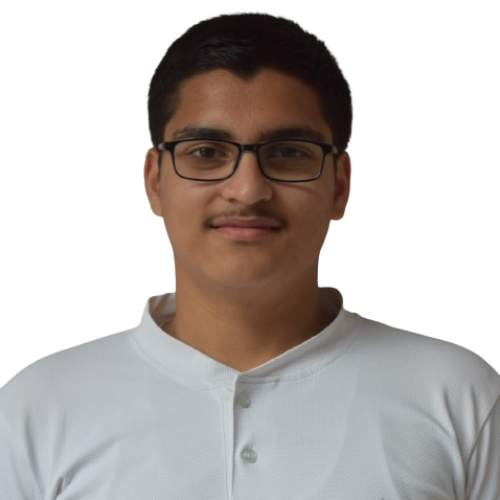 |
Harshit Agarwal Graduate Student, UMD Harshit Agarwal is a first-year physics graduate student working on quantum photonics with Prof. Avik Dutt. Harshit completed his undergraduate degree at Missouri S&T and did post-bac research at Oak Ridge National Lab on NV centers and Superconducting Photon Detectors. |
|
Rafael Romero Mendez Graduate Student, UMD Rafael Romero Mendez is a PhD student in mechanical engineering at the University of Maryland. Rafael's research is on quantum photonics theory and nonlinear dynamical systems. He is a MathQuantum fellow and enjoys mentoring undergraduates on math/quantum projects. He obtained his B.S. in physics from UMD. |
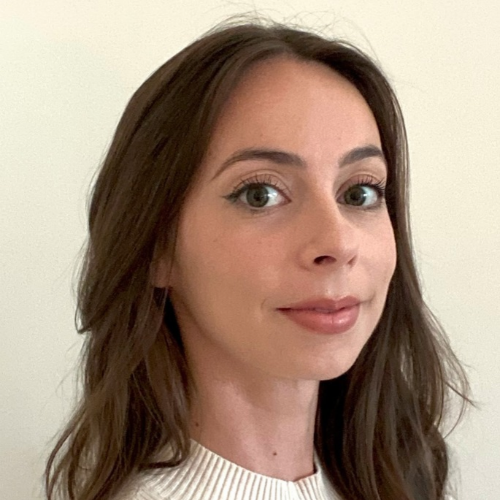 |
Julie Perkins Quantum Education Fellow, Frontier Technology Institute Julie Perkins received her PhD in quantum gravity from UC Santa Barbara with a thesis focused on black holes. Julie now works in education, making curriculum for students learning quantum computing. |
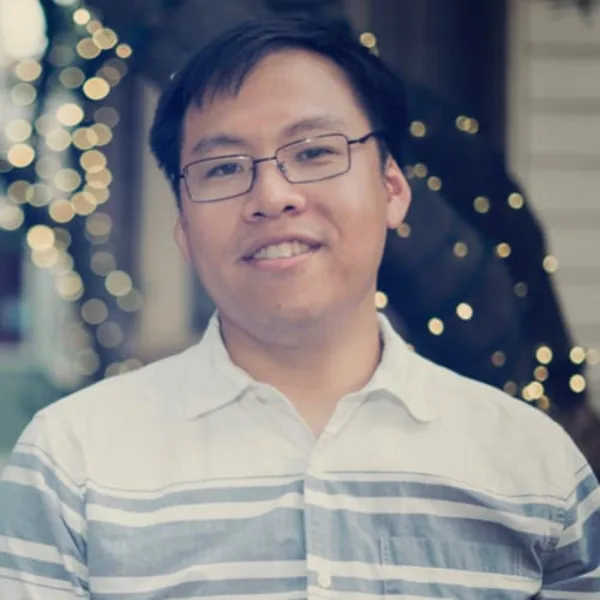 |
Matthew Cha Senior Quantum Scientist, Riverlane Matthew Cha is a Senior Quantum Scientist at Riverlane, where he leads collaborations with strategic partners to advance real-time quantum error correction and fault-tolerant quantum computing. His work focuses on integrating QEC with heterogeneous quantum-HPC systems, including accelerated quantum simulation, fault-tolerant benchmarking, and end-to-end real-time QEC. |
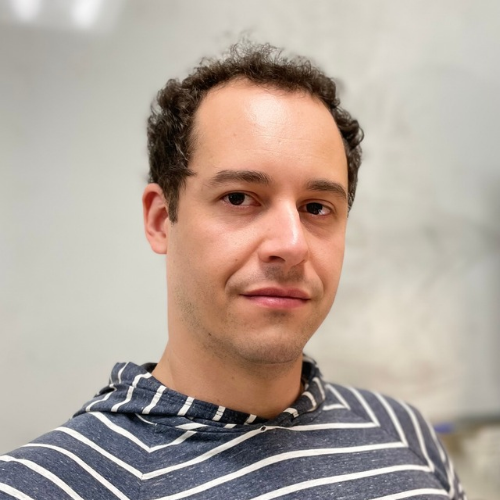 |
Bryan Rezende Graduate Student, UMD Bryan is currently a PhD student in the Department of Physics at the University of Maryland. He conducts his research at the U.S. Army Research Laboratory, where he investigates the physics of cold neutral rubidium atoms coupled to an optical cavity. His work focuses on developing a quantum networking platform for applications in quantum communication, distributed quantum sensing, and quantum information processing. |
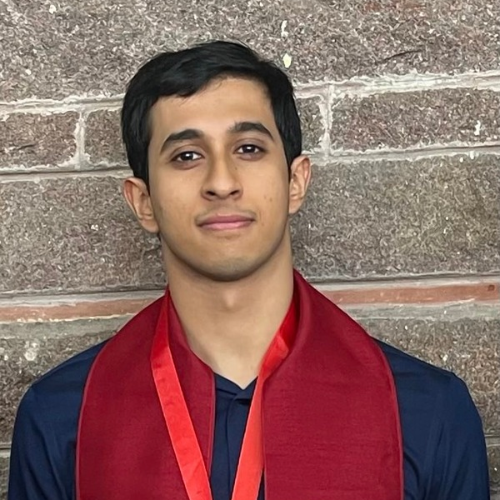 |
Soumyadeep Sarma Graduate Student, UMD Soumyadeep Sarma is a first-year physics PhD student interested in quantum computing and information theory. |
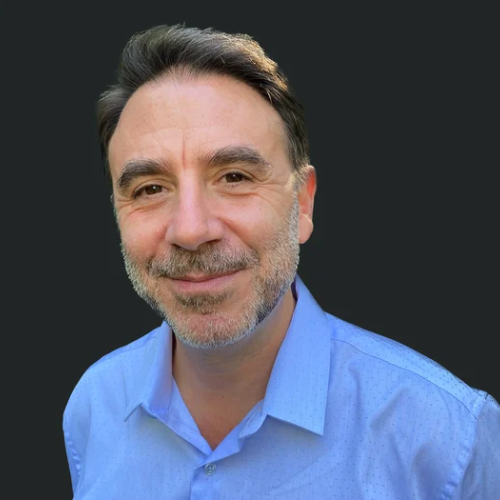 |
Dennis Lucarelli Founder, Error Corp. Dennis Lucarelli leads Error Corp., a College Park company in the University of Maryland’s Quantum Startup Foundry that builds error correction and noise suppression software for quantum computers. |
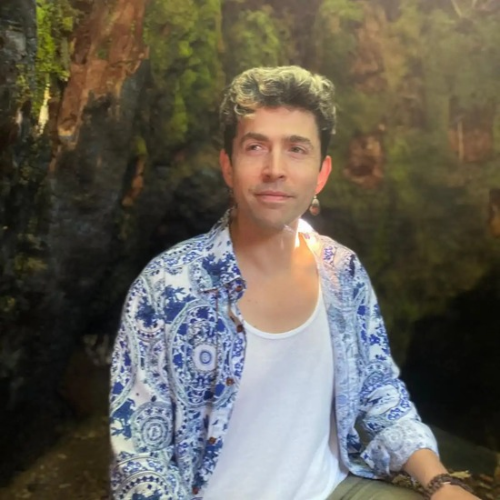 |
Isaac AshLind Graduate Student, University of Maryland Isaac is a graduate student in physics and a MathQuantum RTG fellow interested in using abstract geometric and algebraic tools to simplify physical problems and explore their underlying structure. Recent work with Victor Albert leverages group theory, topology, representation theory, and harmonic analysis to understand the symmetry groups and state spaces of molecules with internal rotors. Other interests include music, ceramics, contemplative practices, and time outdoors. Isaac is advised by Victor Albert. |
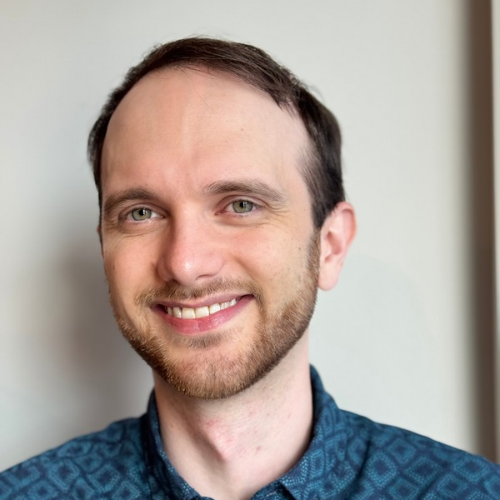 |
Graham Reid Postdoctoral Fellow, Johns Hopkins University Graham Reid is a postdoctoral fellow working in the Complex Materials Spectroscopy (Armitage) Group at Johns Hopkins University, where he works on quantum optical measurements for condensed matter systems. Prior to his current role, he worked on program management and development for the Defense Advanced Research Projects Agency (DARPA) as a DARPA Innovation Fellow. He earned his PhD from the University of Maryland, College Park working in the research group of Ian Spielman. |